
🌟 31 Reasons Why I Love Jesus
In the midst of a full life of activity and service, there lies something deeper, an irreducible minimum, a foundation, the reason for my existence, the compass that points my heart home. That is what I want to share with you. It is not about a philosophy or a cause. It is not about an organization or an idea. It is about someone. It is about Jesus
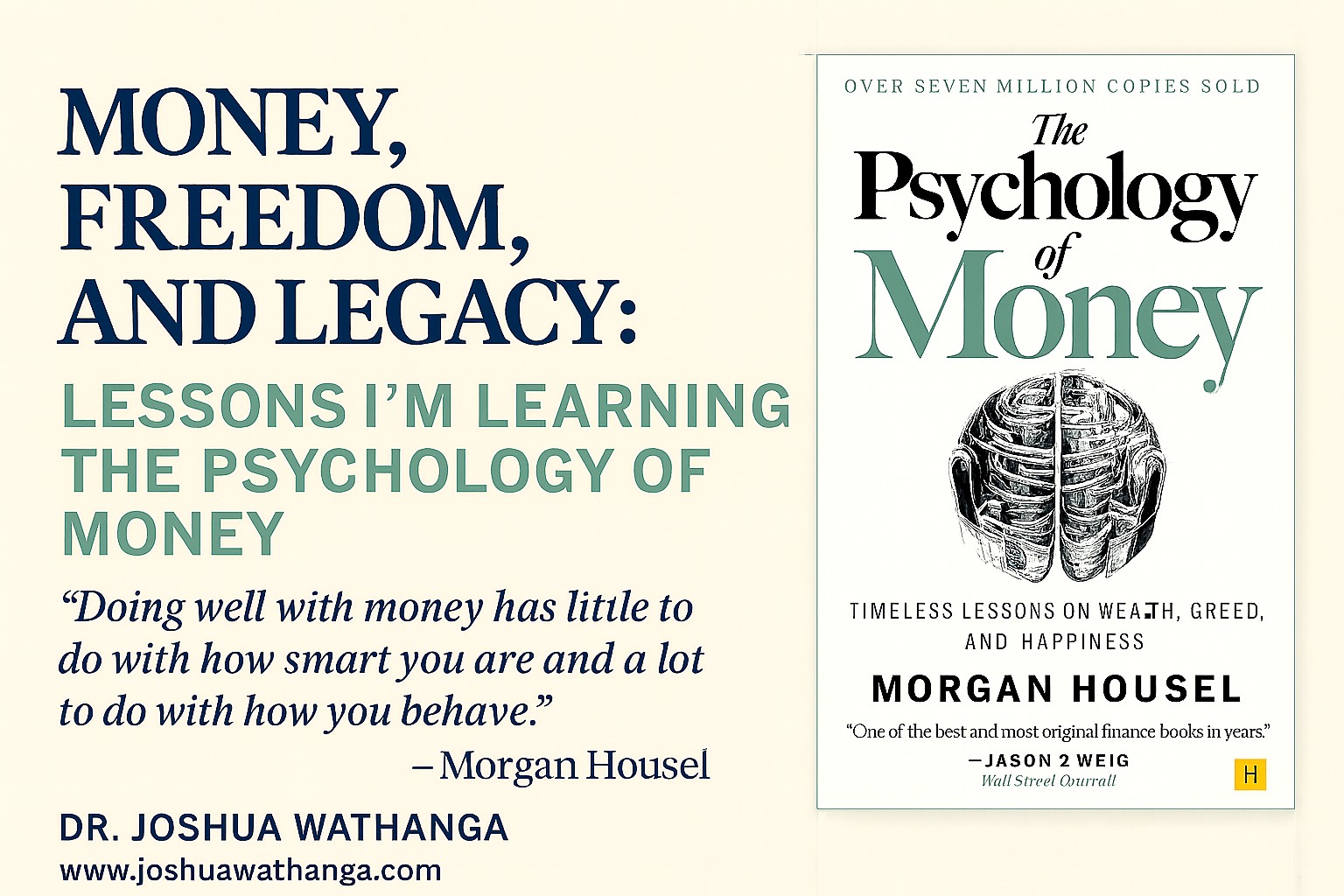
Money, Freedom, and Legacy: Lessons I’m Learning from The Psychology of Money
While I wasn’t naïve about money in my earlier years, I realize now that I missed structured financial literacy along the way. I relied on instinct, on lessons picked up from my parents, on trial and error. I wish I had read Morgan Housel’s The Psychology of Money, Darren Hardy’s The Compound Effect, or Robert Kiyosaki’s Rich Dad Poor Dad earlier. Their insights would have saved me both mistakes and missed opportunities—and would also have equipped me to mentor my children far better in financial literacy.
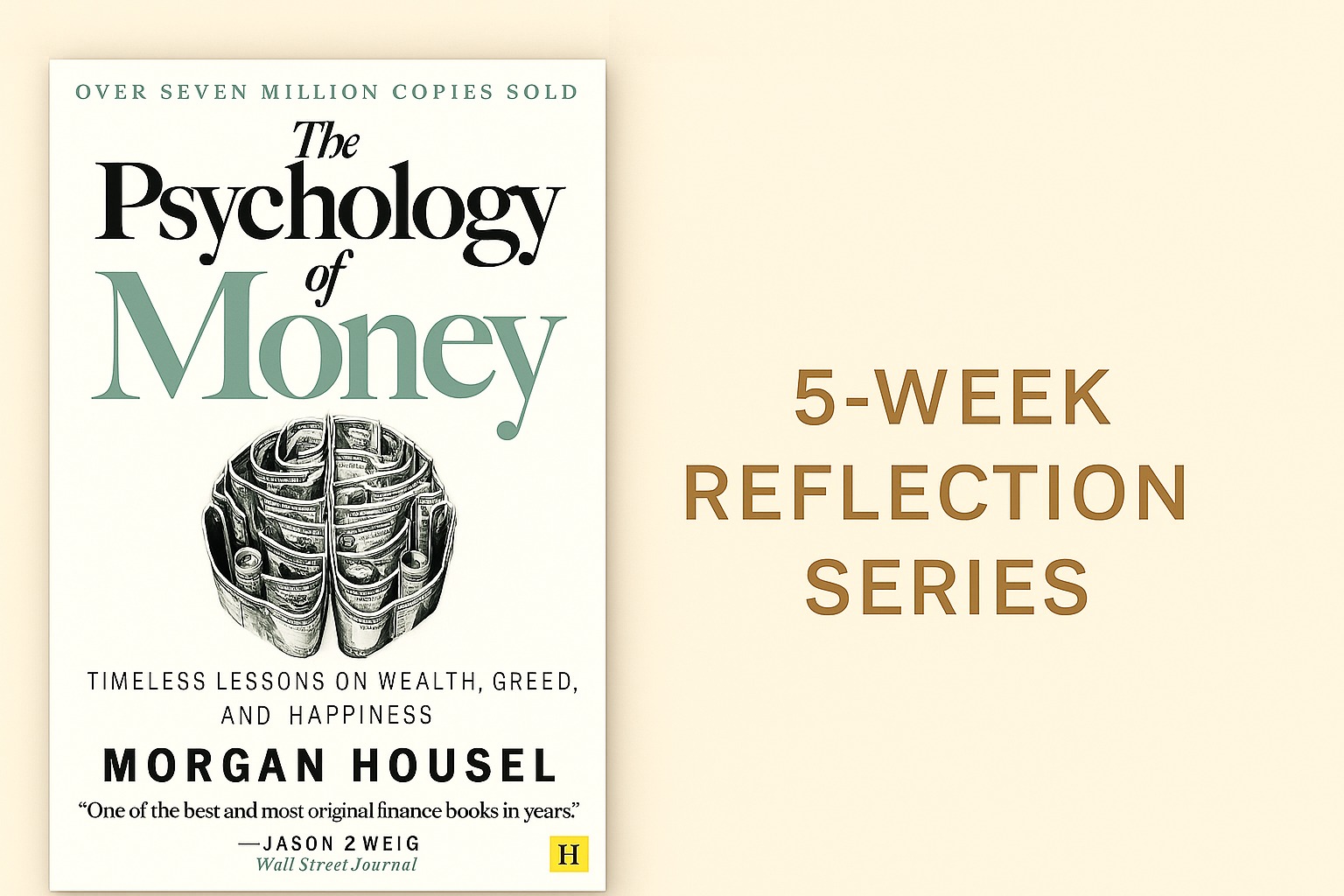
10 Things I Learned from The Psychology of Money by Morgan Housel
“Doing well with money has little to do with how smart you are and a lot to do with how you behave.” — Morgan Housel This book is not about how to beat the market. It’s about how to beat yourself—your fears, your greed, your impatience—and align your money decisions with long-term contentment.
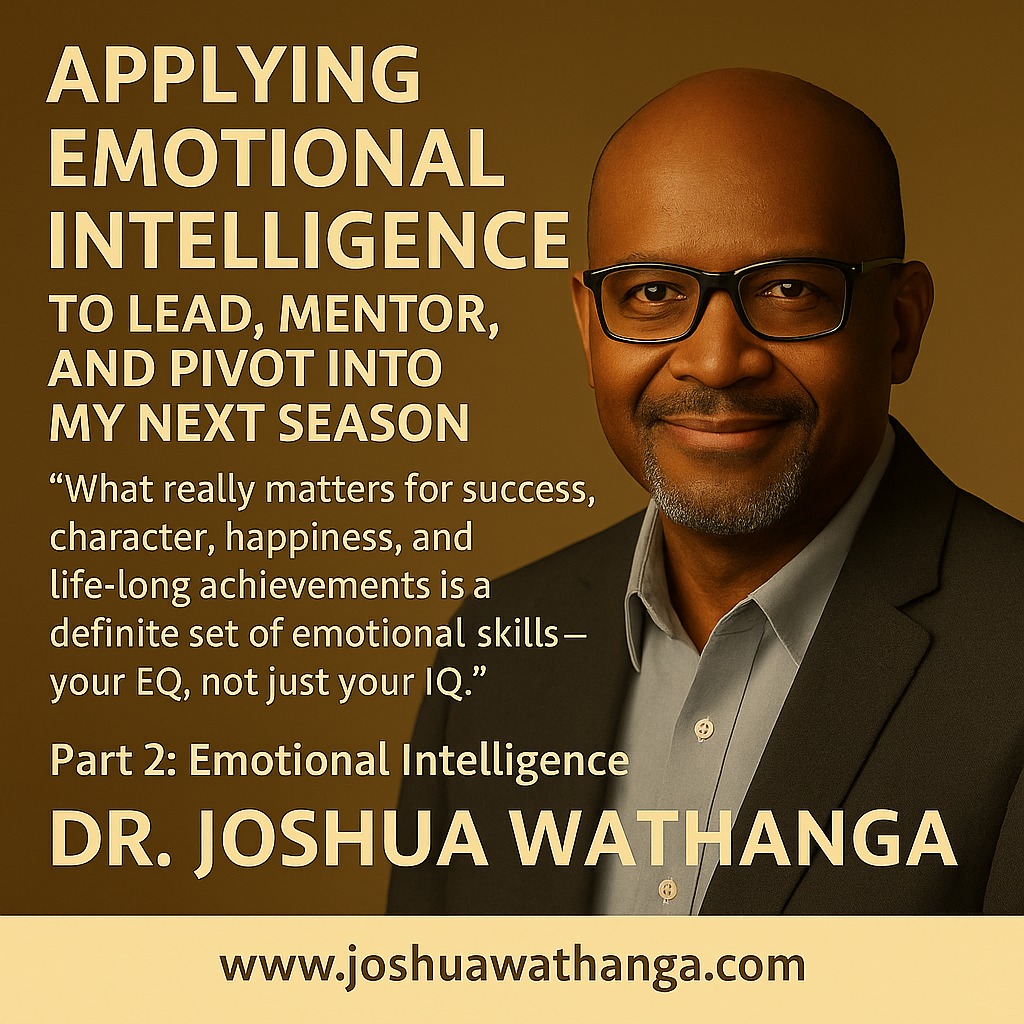
Applying Emotional Intelligence to Lead, Mentor, and Pivot into My Next Season
Some leadership lessons don’t arrive gently. Years ago, I almost sabotaged my own leadership. I didn’t realize then that unmanaged emotions — mine and others’ — were steering key decisions. It wasn’t a lack of intelligence or experience; it was something deeper. Later, I discovered Daniel Goleman’s framework on Emotional Intelligence (EQ), and suddenly the patterns became clear. His insights gave language to what I had stumbled through in my leadership journey. I came to realize and to confront a hard truth: technical competence isn’t enough. Emotional intelligence — Goleman’s groundbreaking framework — is what shapes influence, resilience, and trust.
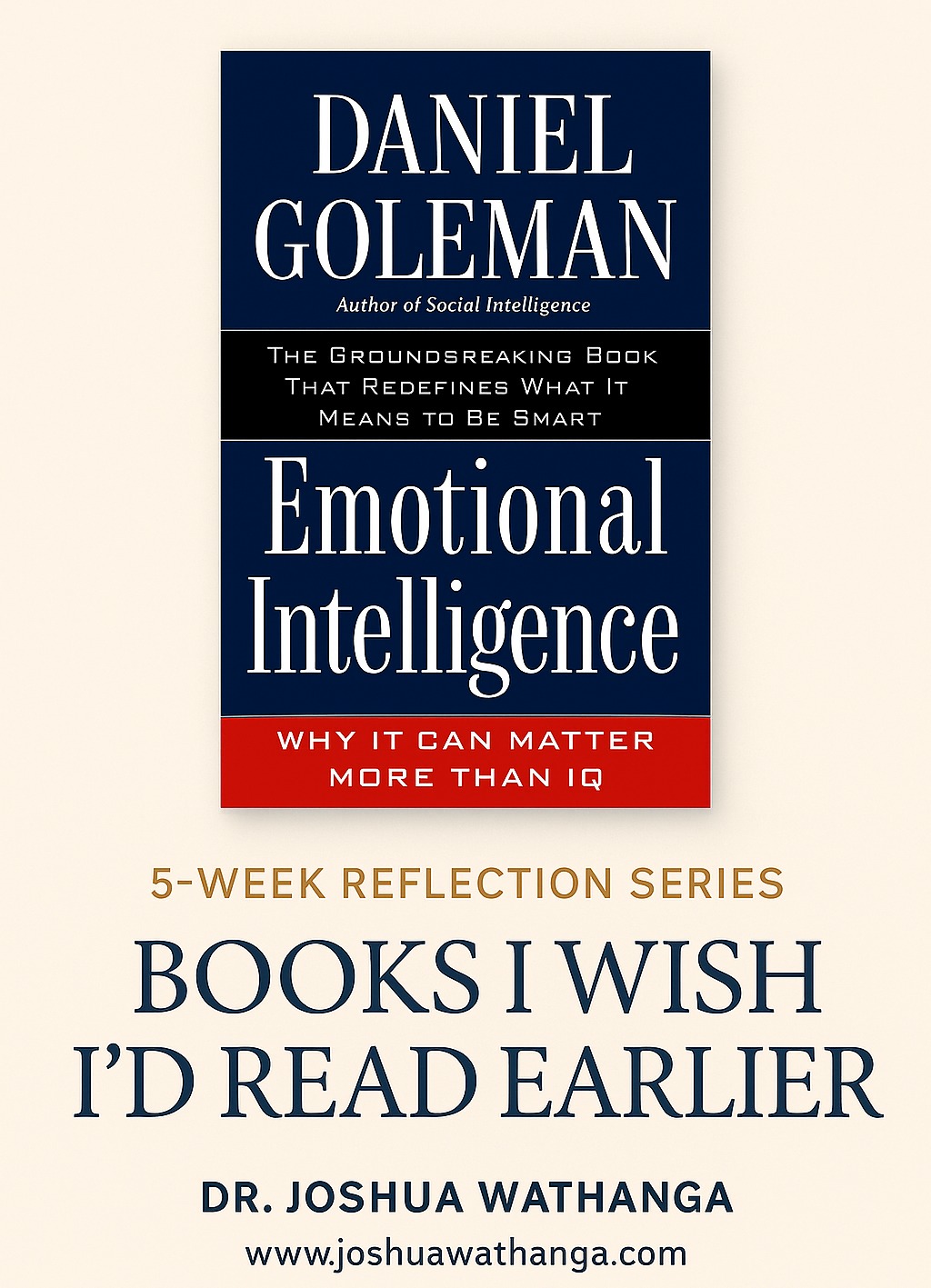
Emotional Intelligence- Why mastering your inner world transforms how you lead, relate, and thrive
Daniel Goleman’s Emotional Intelligence reveals why IQ and technical skill are not the strongest predictors of success. What truly shapes our effectiveness — in leadership, relationships, and personal fulfilment — is EQ, the ability to recognize, understand, manage, and harness emotions — both ours and others’. When Daniel Goleman published Emotional Intelligence in 1995, he challenged the long-held belief that IQ alone determines success. Goleman argued that our ability to understand, manage, and work with emotions — both ours and others’ — plays an even greater role in personal effectiveness, leadership, and relationships. This four-quadrant model organizes EQ into Self-Awareness, Self-Management, Social Awareness, and Relationship Management. Together, these skills influence how we make decisions, handle challenges, connect with others, and lead with empathy and purpose.
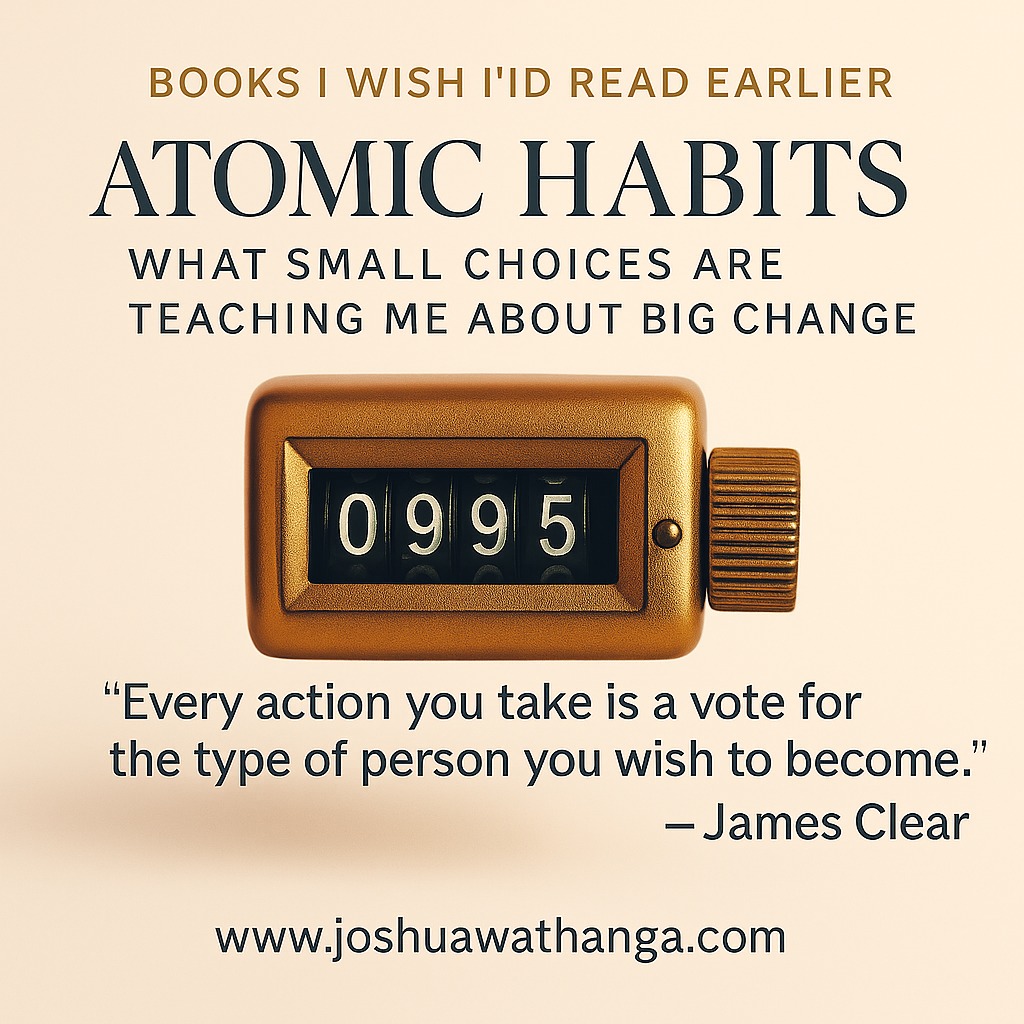
Atomic Habits: What Small Choices Are Teaching Me About Big Change
Big change doesn’t come from big resolutions—it comes from small, faithful steps. Habits like journaling, walking, or mentoring compound over time to shape character, growth, and legacy
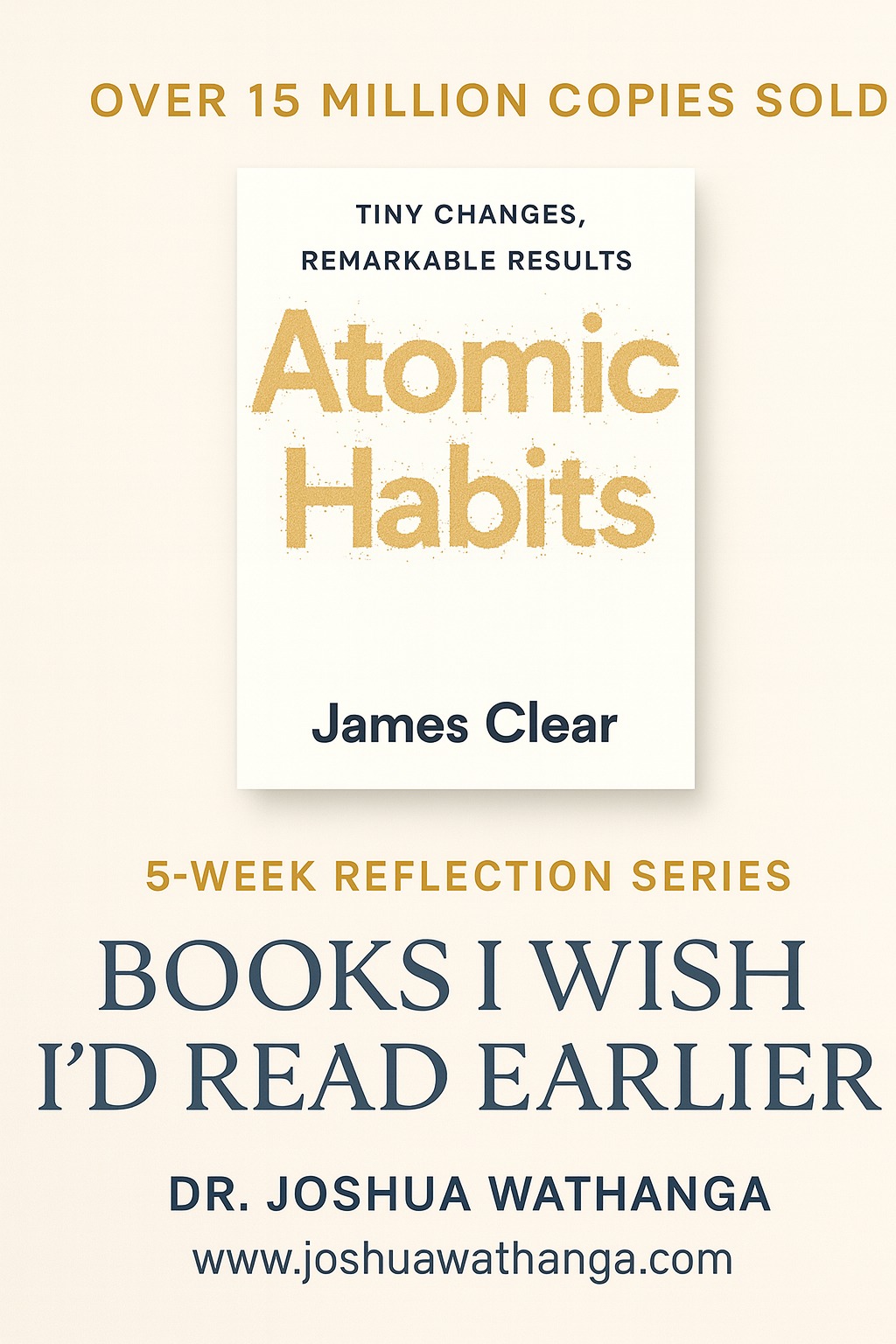
What I Learned from Atomic Habits
At its core, Atomic Habits argues that success is less about goals and more about systems. It is about is about how 1% improvements compound into remarkable results. We do not rise to the level of our goals, Clear insists; we fall to the level of our systems. Just as compound interest multiplies wealth, tiny daily habits multiply into profound life change.
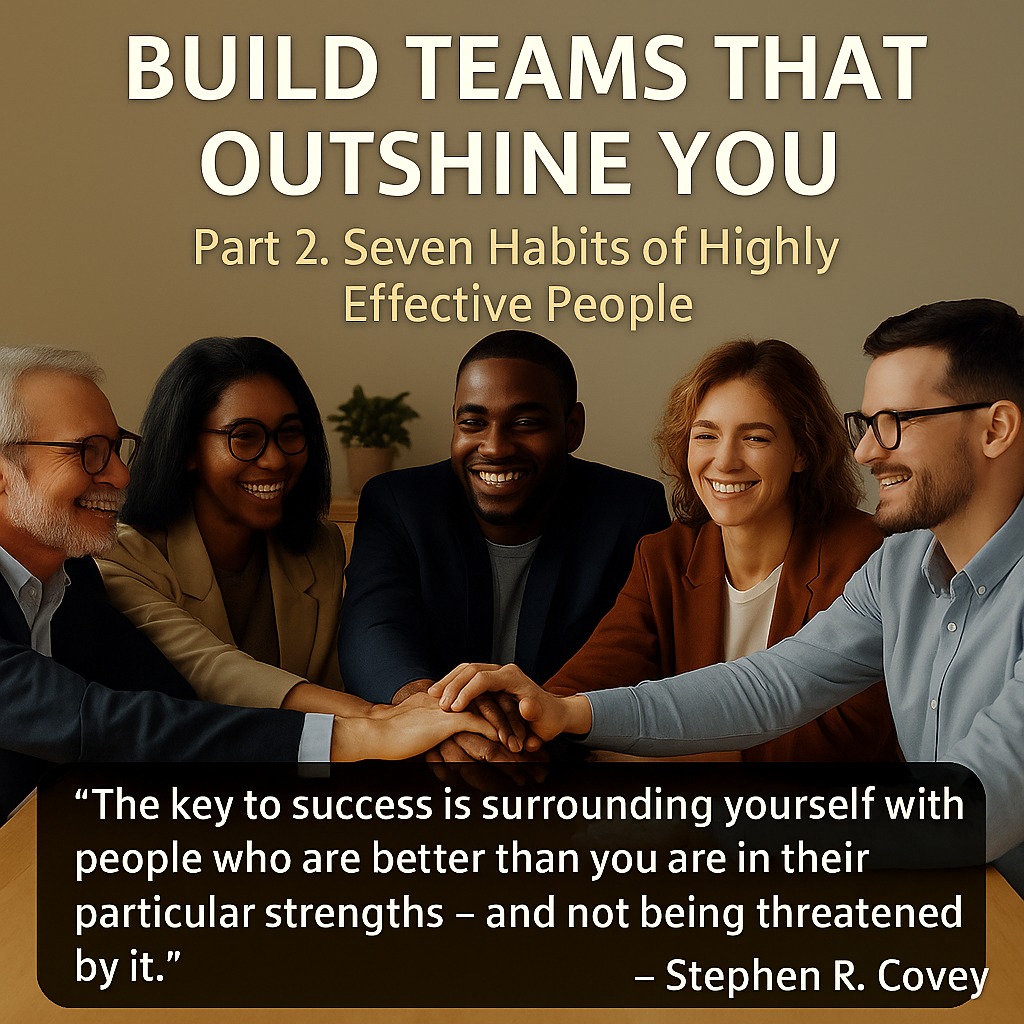
Build Teams That Outshine You: A Tried and Tested Leadership Secret
Covey’s Abundance Mindset is the belief that there is enough success, visibility, and credit to go around. Leaders who operate from scarcity feel threatened by talent; leaders who operate from abundance actively seek out and elevate those with exceptional gifts. When we lead from abundance, we stop competing with our team and start building a bigger stage so multiple voices can be heard.
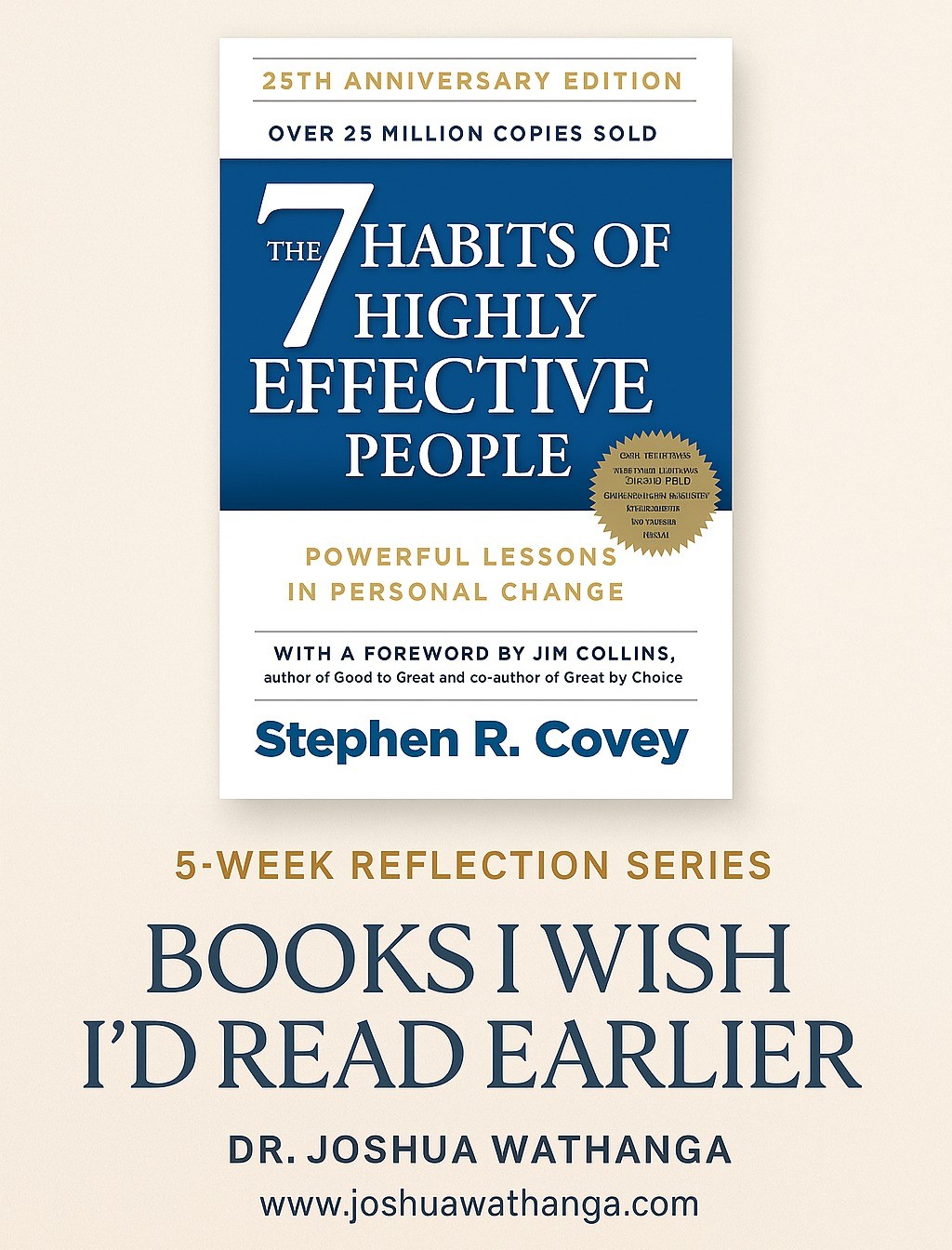
What I Learned from The 7 Habits of Highly Effective People
“Sow a thought, reap an action; sow an action, reap a habit; sow a habit, reap a character; sow a character, reap a destiny.” — Stephen R. Covey

How Failure Shaped Me
In my first post, I reflected on John Maxwell’s Failing Forward—a book I wish I had read much earlier in life. Its message is simple but transformative: failure is not final unless you quit. This second article shares how that truth has shown up in my life—sometimes painfully, often redemptively. I hope these reflections remind you, as they’ve reminded me, that failure is not the end of the story—it is often the point where the real story begins.