From Exclusion to Influence: Youth Inclusion and Leadership as a Systems Approach
The first article emphasized that demography is not destiny; choices matter. The second argued that we must move from counting people to planning outcomes. The third underscored that jobs — not just education — are the true lever of transformation. This final article focuses on the capstone: youth inclusion and leadership. The future of Kenya depends not only on whether youth are employed, but whether they have voice, agency, and power to shape systems. The task before us is to move youth from exclusion to influence.
Jobs, Not Just Education: Why Employment Is the True Lever of Transformation
Kenya has invested heavily in education. From Free Primary Education in 2003 to 100% transition to secondary school in the last decade, access has expanded dramatically. The result is a far more educated youth population than in 2003. Yet, if education is the ladder, employment is the ground beneath it. And far too many Kenyan youth are climbing only to discover there is nowhere to stand. Over one million young people enter the labor market each year, yet the economy cannot absorb them.
Beyond Counting: Why Policy Must Shift from Demography to Outcome Planning
While Kenya correctly identified its youthful population as a potential asset two decades ago, the country’s approach remained largely reactive—focused on numbers rather than outcomes. The time has come to move beyond counting youth to strategically designing for their development, inclusion, and economic productivity.
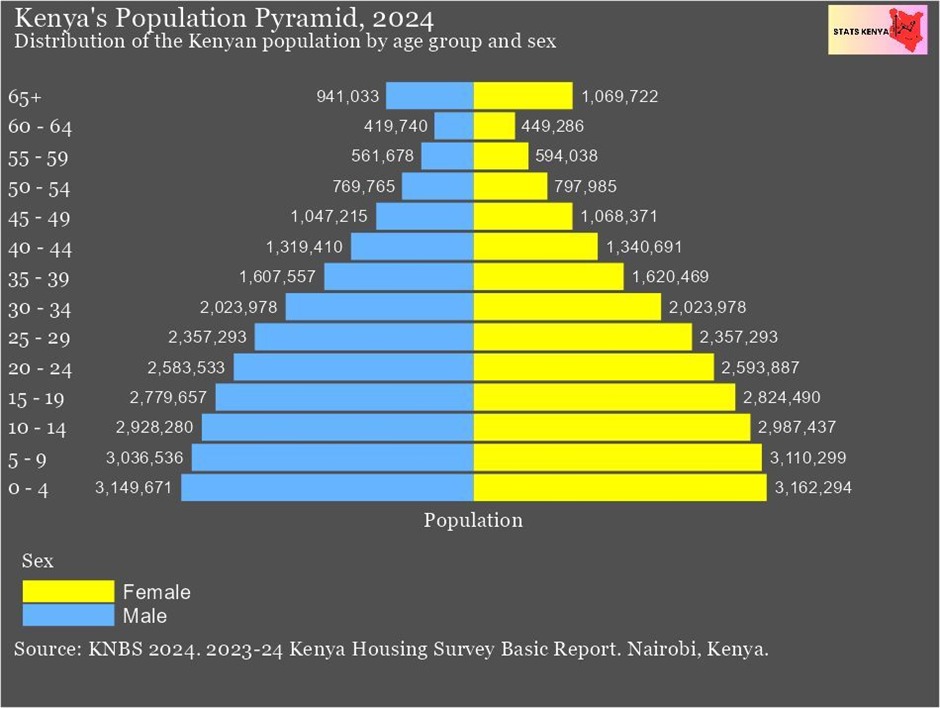
Kenya’s Youth Bulge at a Crossroads: Two Decades of Lessons and the Road Ahead
Today, Kenya’s population approaches 55 million, with over 75% under the age of 35. This demographic is both an unparalleled resource and a ticking clock: without effective integration into the economy, social and political stability will be strained.
Lessons from the World Uncertainty Index: Thriving in the Age of the Unknown
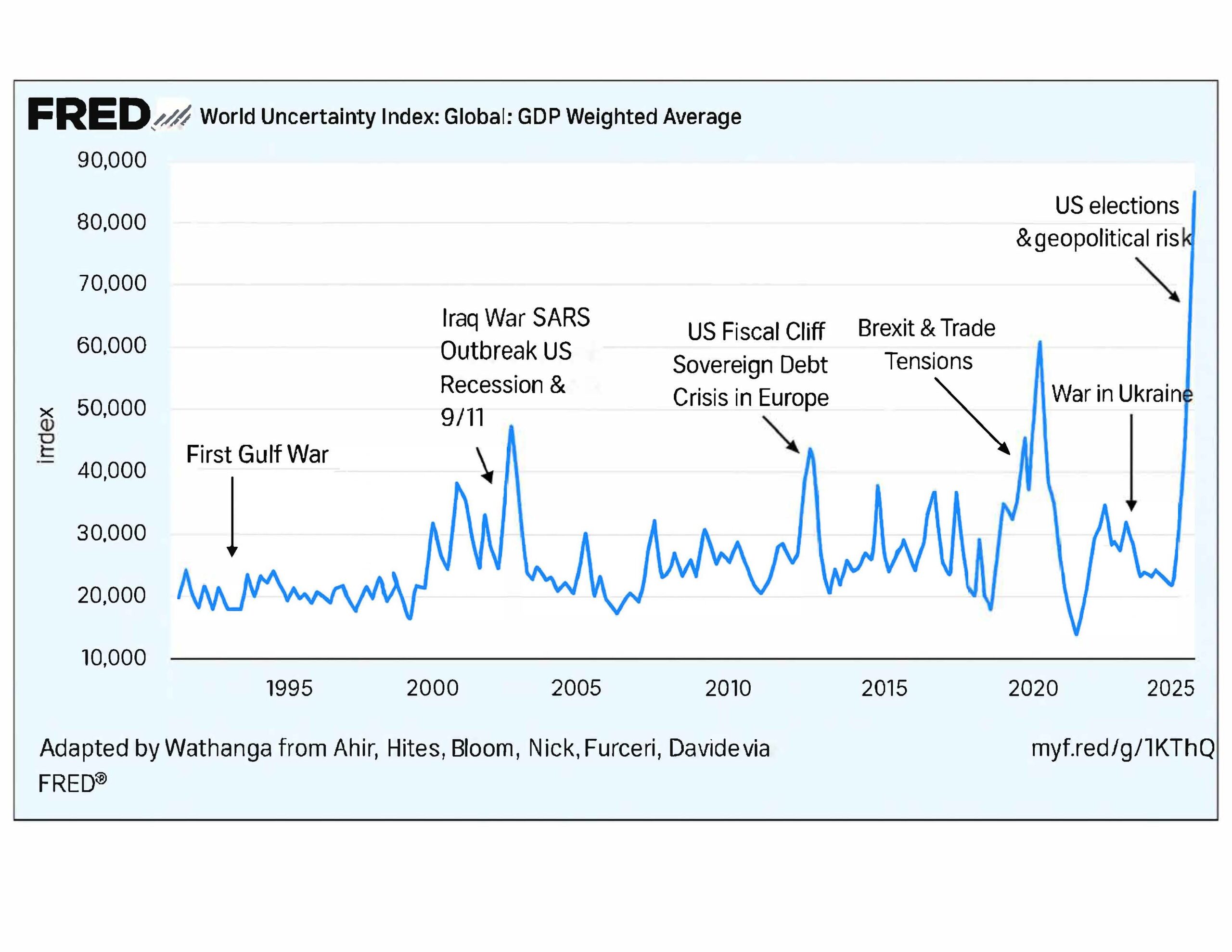
In early 2025, the World Uncertainty Index (WUI)—developed by economists at Stanford University and the International Monetary Fund—confirmed what many of us already sensed: global uncertainty is not only rising but becoming a persistent feature of our world. Political instability, pandemics, economic upheavals, and now development funding cuts—such as those recently experienced by USAID Implementing Partners in Kenya—are just some of the drivers of this volatility.
From Resilience to Transilience: A New Language for Navigating Uncertainty
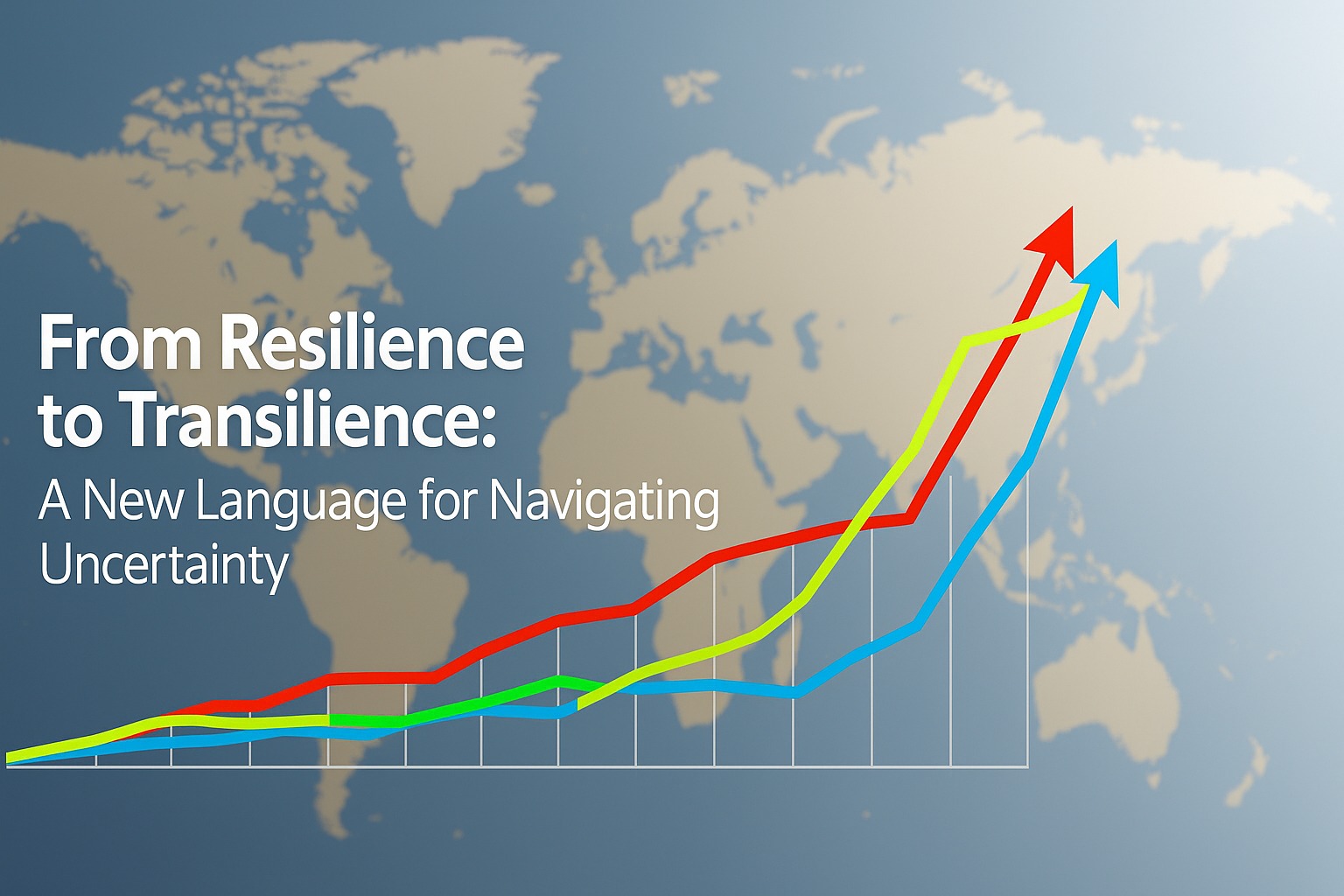
In May 2025, we launched the Navigating Uncertainty Webinar Series in response to sudden USAID funding cuts that disrupted thousands of livelihoods across Kenya. What began as an urgent support platform soon evolved into something deeper: a shared journey of reinvention. Out of this experience emerged a concept that reframed our entire understanding of change—transilience.