✨ Driven or Called: Why Leading Yourself Comes Before Leading Others
We live in a world that rewards visibility more than virtue. Leaders are applauded for what they build on the outside, yet very few notice what crumbles on the inside. Gordon MacDonald’s classic, Ordering Your Private World, had a profound impact on me because it named a truth I had already experienced: the outer world of activity can never be healthier than the inner world that sustains it.
🛡️ Integrity as Strategy: Why Ethical Leaders Last
In an age of quick wins and clever spin, integrity can seem like an old-fashioned word — more moral than strategic, more admirable than useful. Yet history, experience, and faith all agree on one truth: ethical leaders outlast expedient ones. Integrity is not about perfection; it is about consistency — the alignment between what we say, what we believe, and what we do. It is the invisible foundation on which trust, credibility, and legacy are built.
🌍 Servant Leadership Reclaimed: Leading with Humility in an Age of Ego
In a world obsessed with ego, image, and self-promotion, servant leadership feels almost forgotten — yet it remains one of the most revolutionary ideas in human history- one that Jesus modelled, history vindicated, and our generation urgently needs to rediscover. True leadership was never meant to be about power, status, or spotlight. It was meant to be about purpose — the courage to use influence for the good of others. To lead well in our time, we must reclaim what the first-century Jesus modelled: leadership grounded in humility, empathy, and moral clarity.
🎓 Beyond Titles: Why Leadership Is About Influence, Not Position
“A successful transformational leader is one who, when targets have been met, strategies implemented according to […]
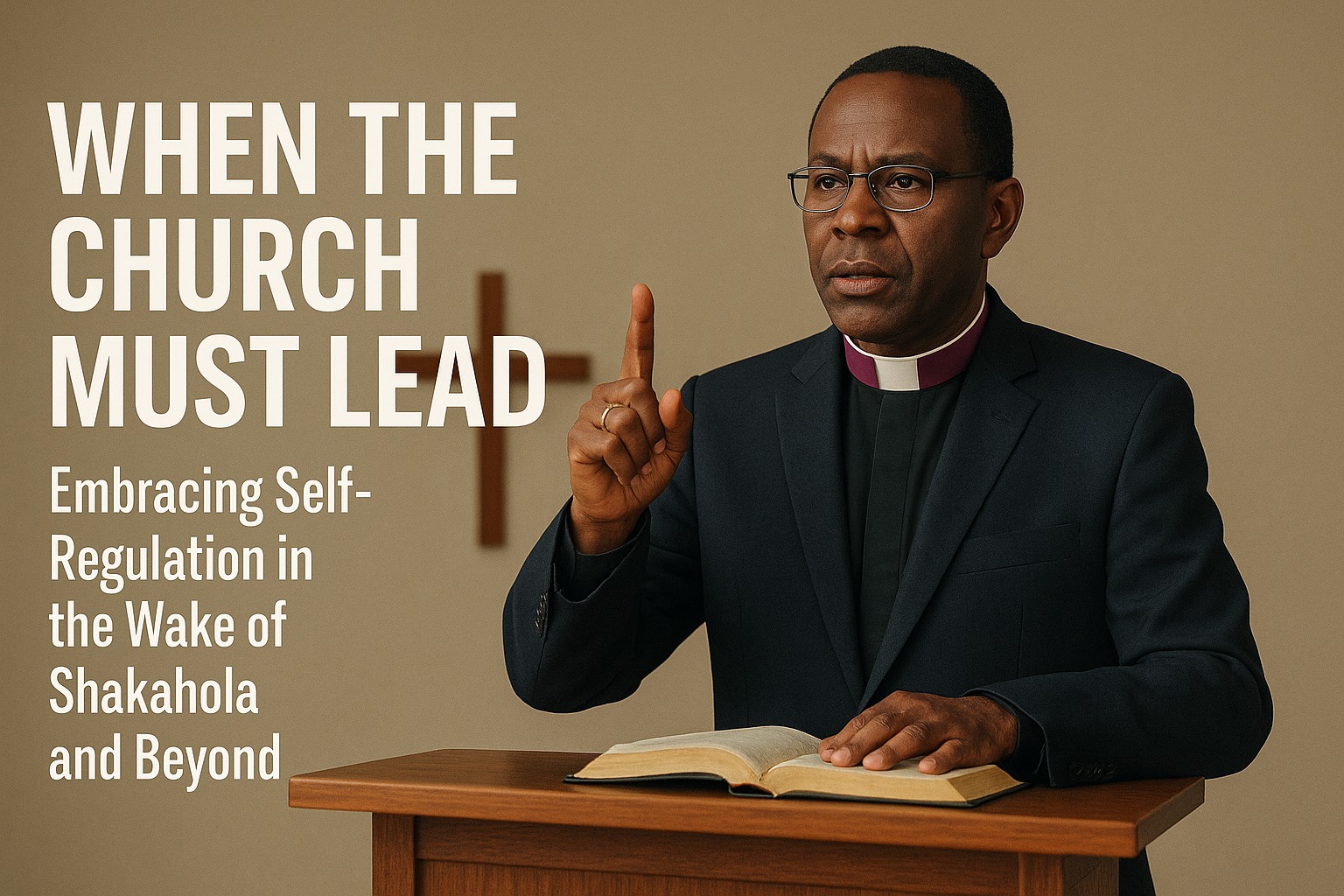
When the Church Must Lead: Embracing Self-Regulation in the Wake of Shakahola and Beyond
On July 29, 2025, the Government of Kenya took a historic step. The Cabinet approved the recommendations of the Presidential Taskforce on Religious Organizations—a move designed to safeguard the integrity of religious practice while preventing abuse. At its heart, the Cabinet emphasized a model of self-regulation, placing religious leaders at the center of accountability. This is the Church’s moment.