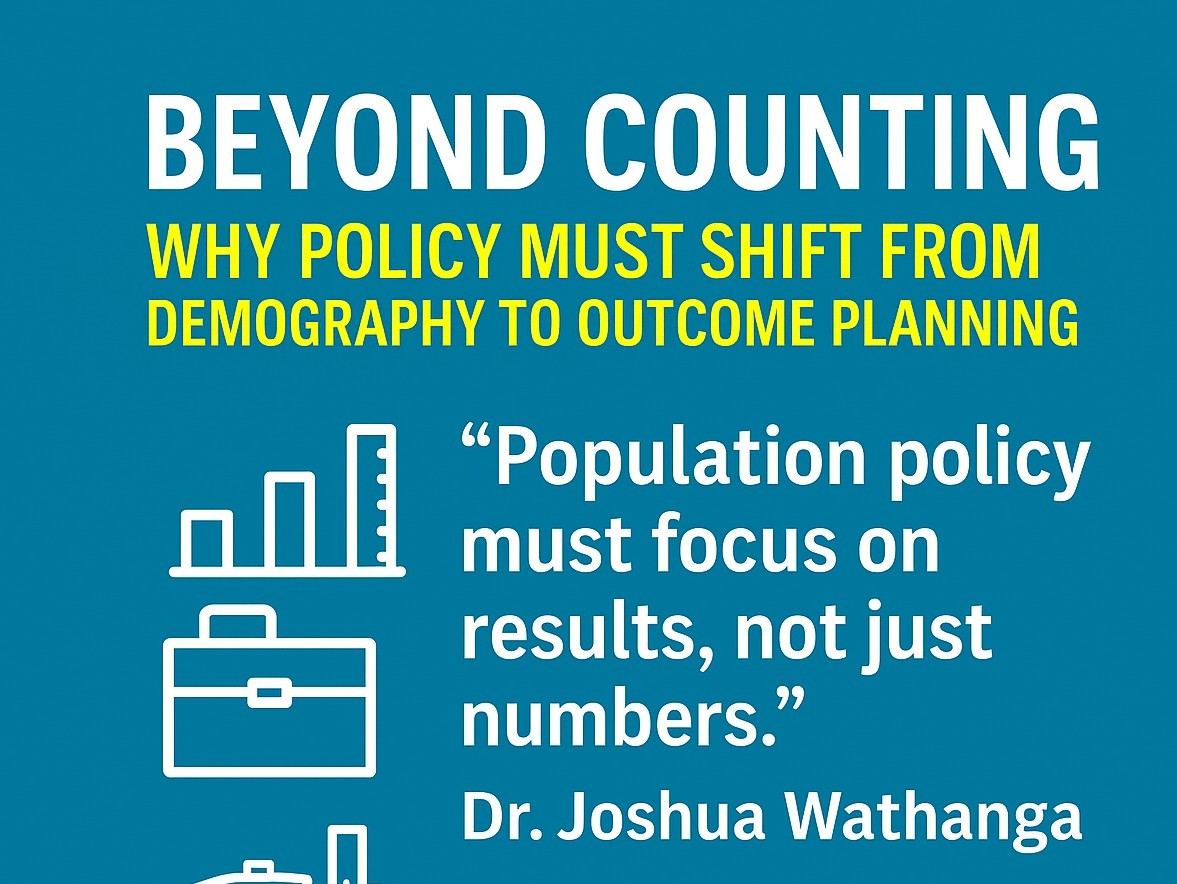
Beyond Counting: Why Policy Must Shift from Demography to Outcome Planning
While Kenya correctly identified its youthful population as a potential asset two decades ago, the country’s approach remained largely reactive—focused on numbers rather than outcomes. The time has come to move beyond counting youth to strategically designing for their development, inclusion, and economic productivity.
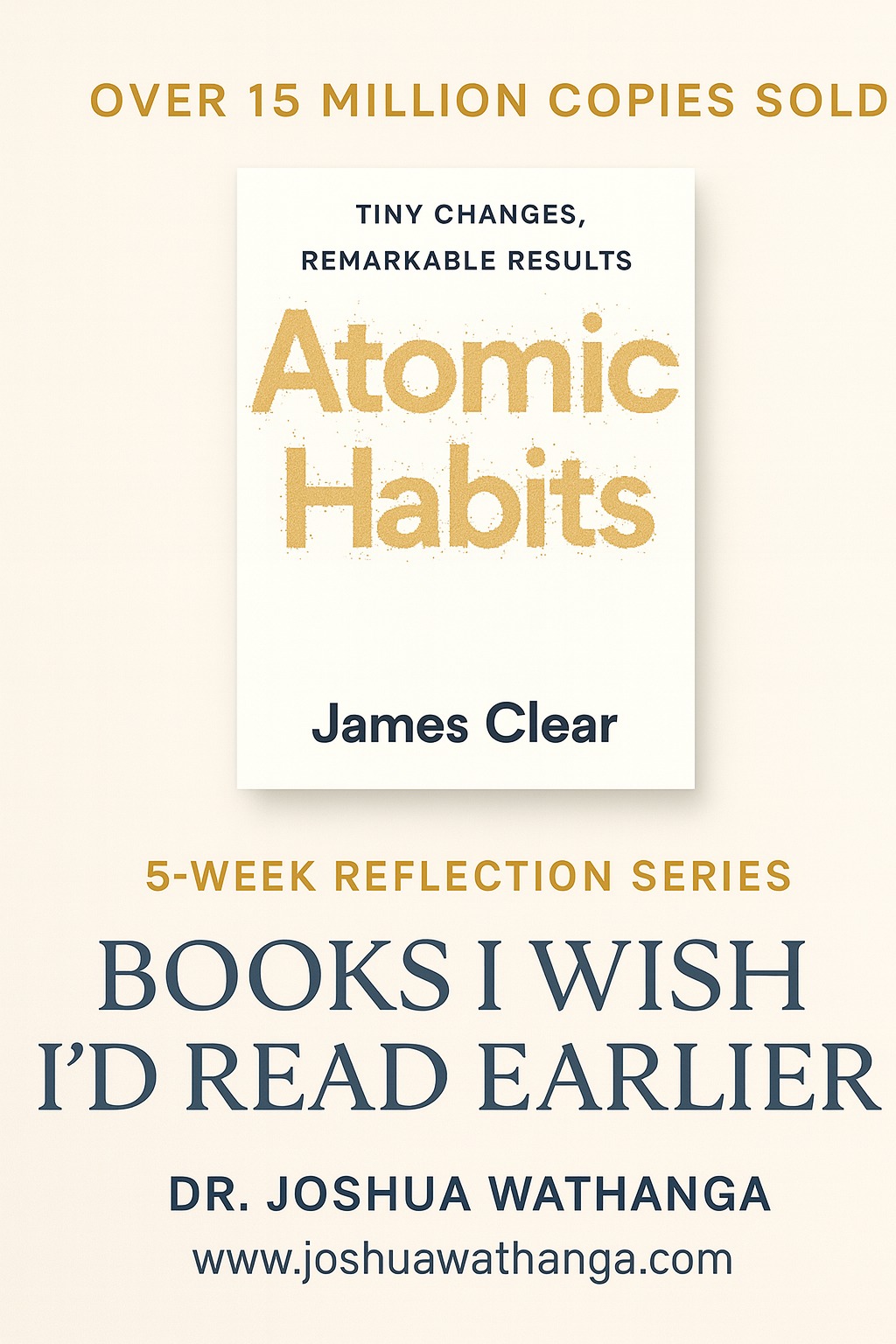
What I Learned from Atomic Habits
At its core, Atomic Habits argues that success is less about goals and more about systems. It is about is about how 1% improvements compound into remarkable results. We do not rise to the level of our goals, Clear insists; we fall to the level of our systems. Just as compound interest multiplies wealth, tiny daily habits multiply into profound life change.
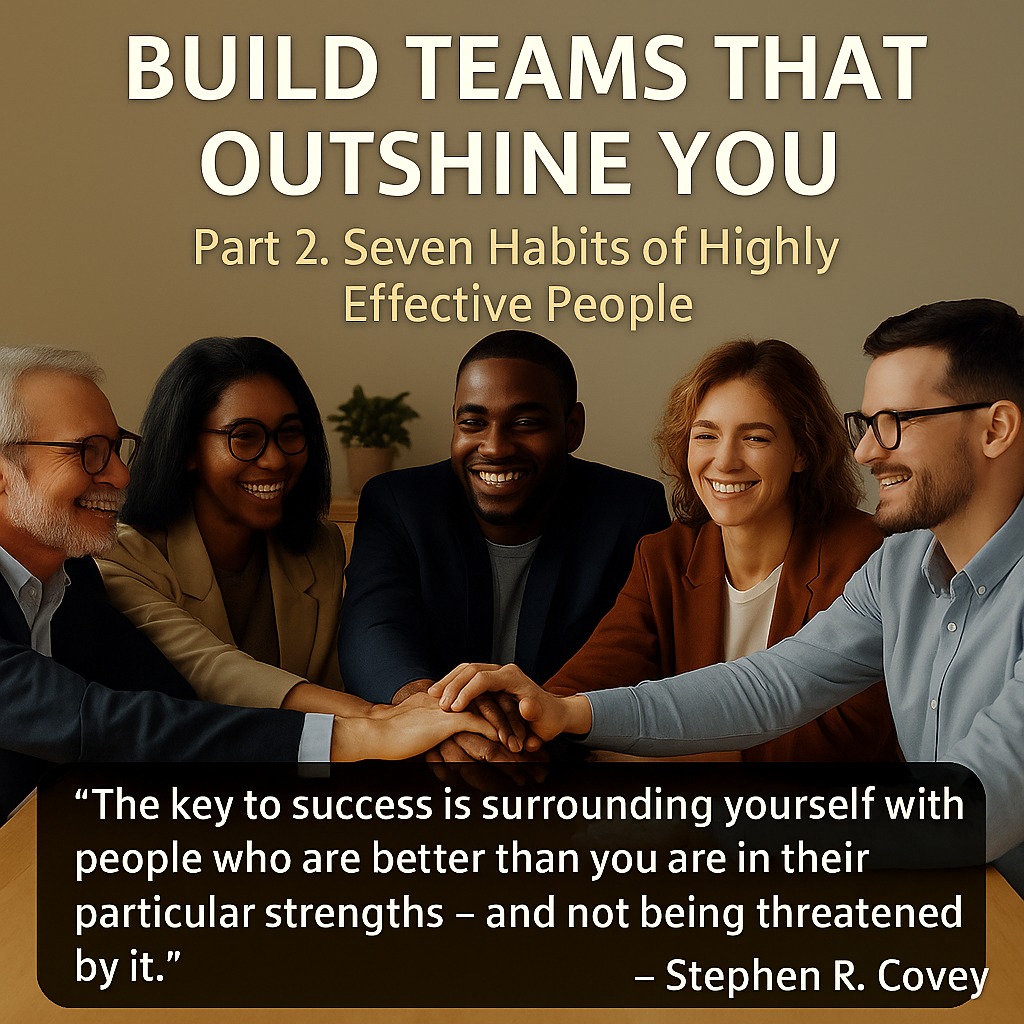
Build Teams That Outshine You: A Tried and Tested Leadership Secret
Covey’s Abundance Mindset is the belief that there is enough success, visibility, and credit to go around. Leaders who operate from scarcity feel threatened by talent; leaders who operate from abundance actively seek out and elevate those with exceptional gifts. When we lead from abundance, we stop competing with our team and start building a bigger stage so multiple voices can be heard.
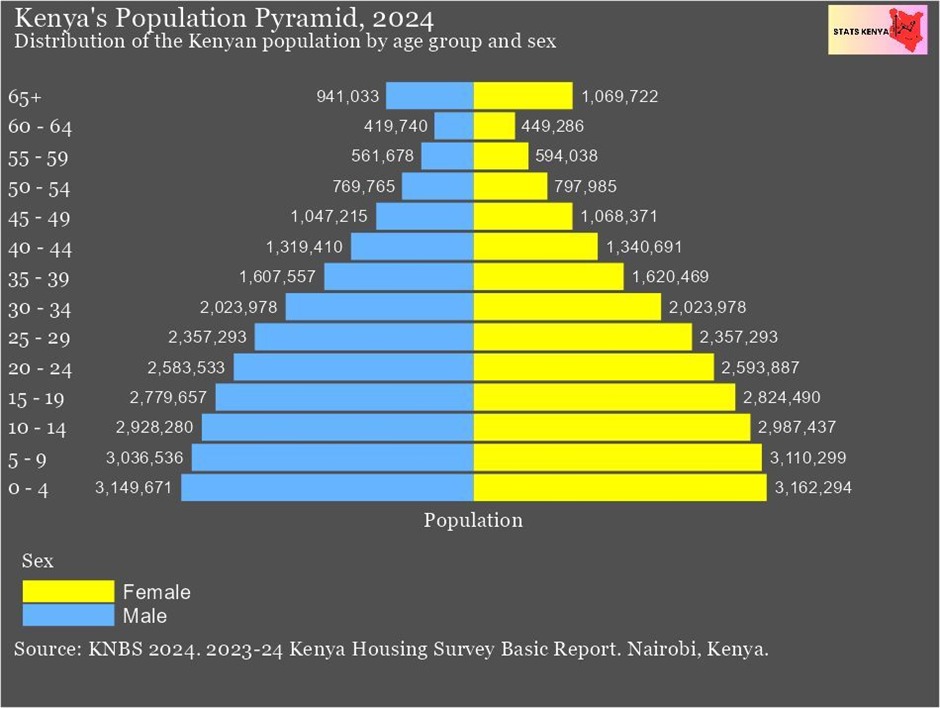
Kenya’s Youth Bulge at a Crossroads: Two Decades of Lessons and the Road Ahead
Today, Kenya’s population approaches 55 million, with over 75% under the age of 35. This demographic is both an unparalleled resource and a ticking clock: without effective integration into the economy, social and political stability will be strained.
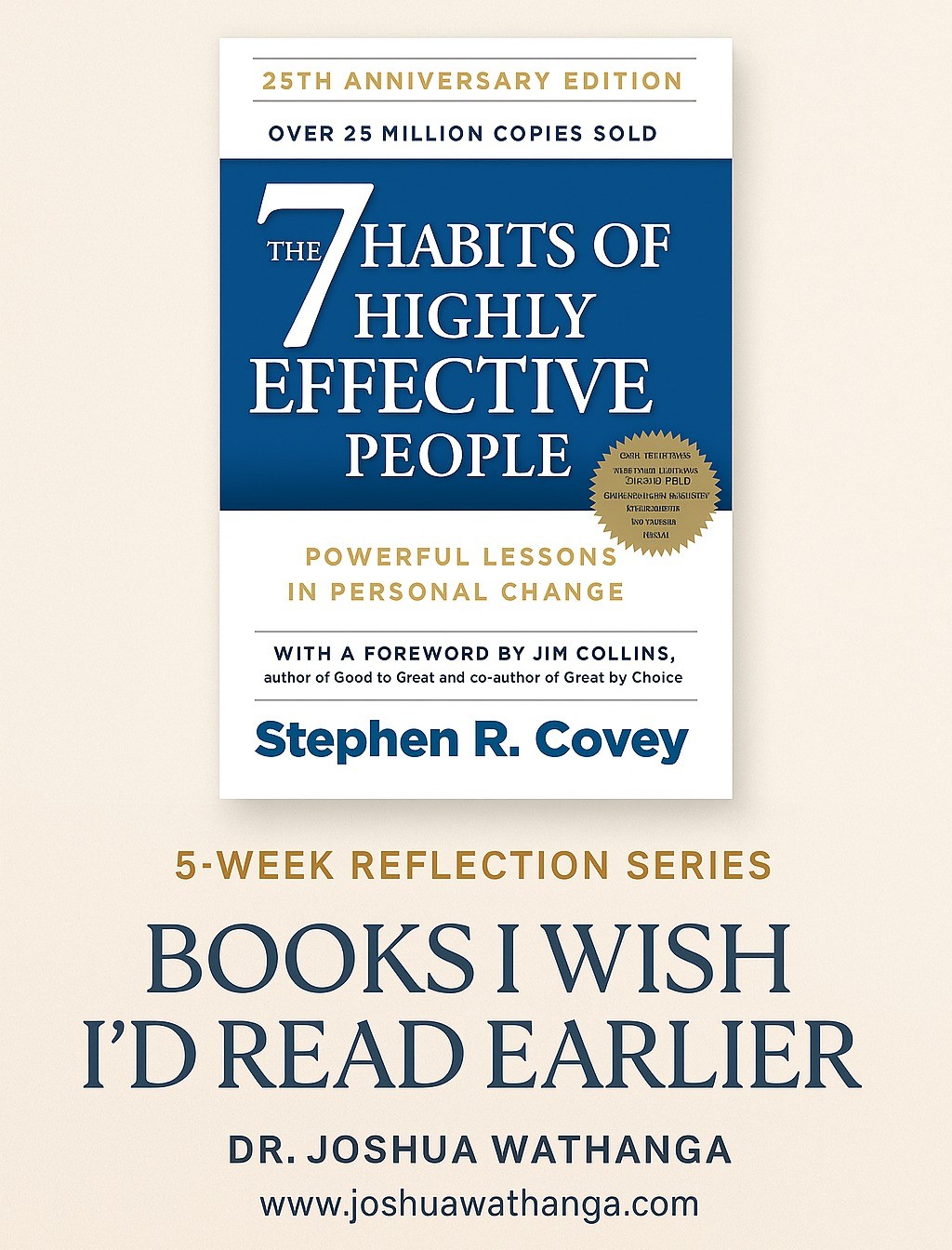
What I Learned from The 7 Habits of Highly Effective People
“Sow a thought, reap an action; sow an action, reap a habit; sow a habit, reap a character; sow a character, reap a destiny.” — Stephen R. Covey

How Failure Shaped Me
In my first post, I reflected on John Maxwell’s Failing Forward—a book I wish I had read much earlier in life. Its message is simple but transformative: failure is not final unless you quit. This second article shares how that truth has shown up in my life—sometimes painfully, often redemptively. I hope these reflections remind you, as they’ve reminded me, that failure is not the end of the story—it is often the point where the real story begins.
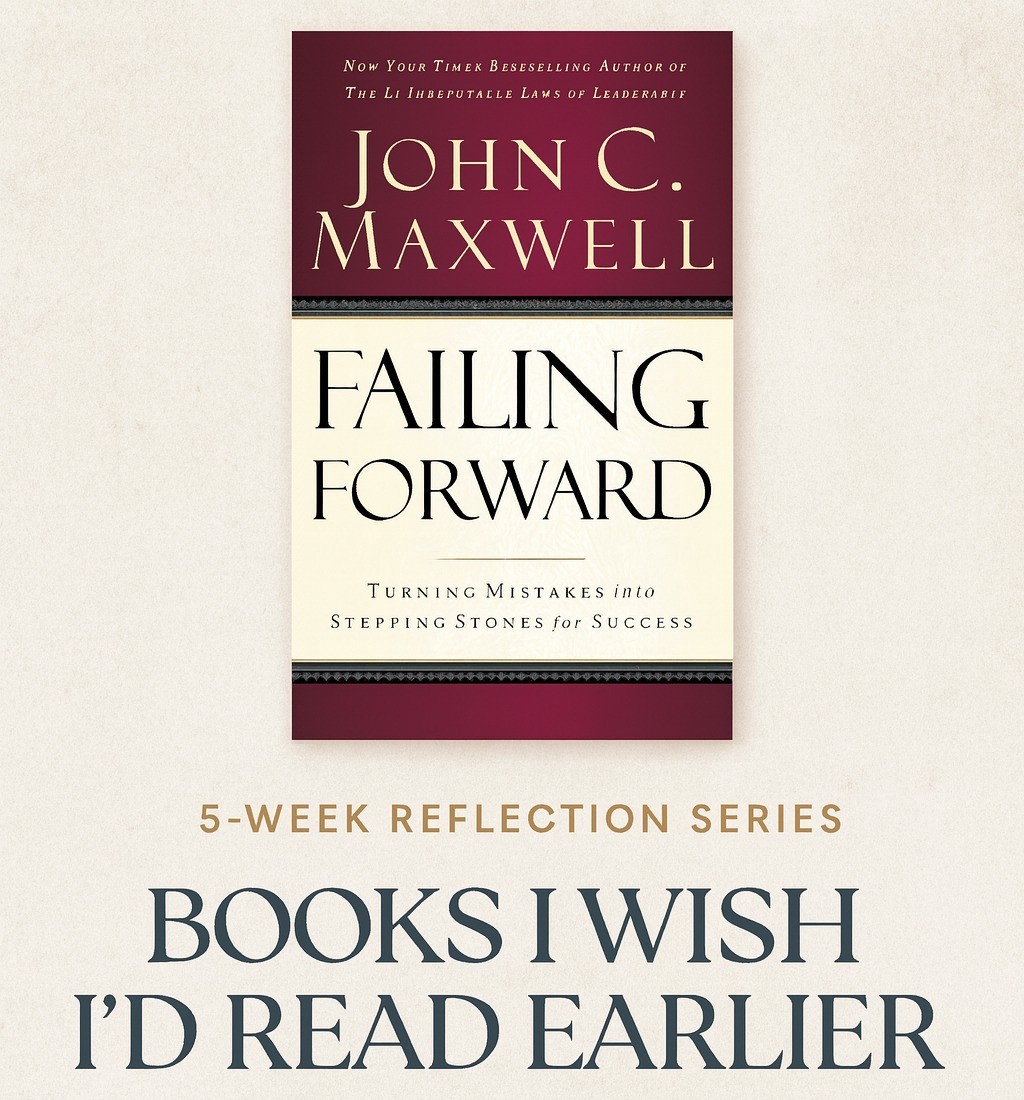
Failing Forward: What I Learned from Falling and Rising Again
"The difference between average people and achieving people is their perception of—and response to—failure." —John C. Maxwell
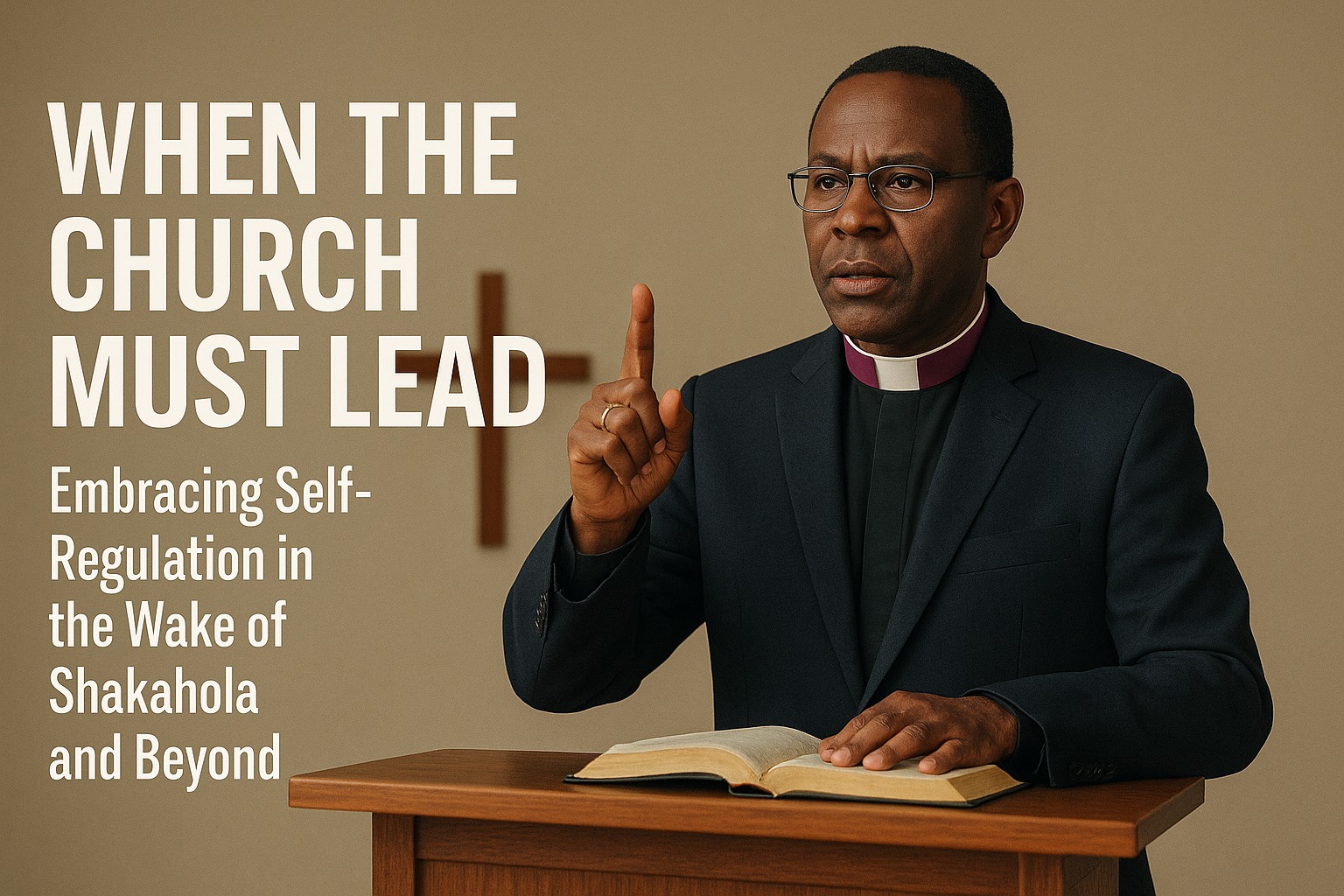
When the Church Must Lead: Embracing Self-Regulation in the Wake of Shakahola and Beyond
On July 29, 2025, the Government of Kenya took a historic step. The Cabinet approved the recommendations of the Presidential Taskforce on Religious Organizations—a move designed to safeguard the integrity of religious practice while preventing abuse. At its heart, the Cabinet emphasized a model of self-regulation, placing religious leaders at the center of accountability. This is the Church’s moment.
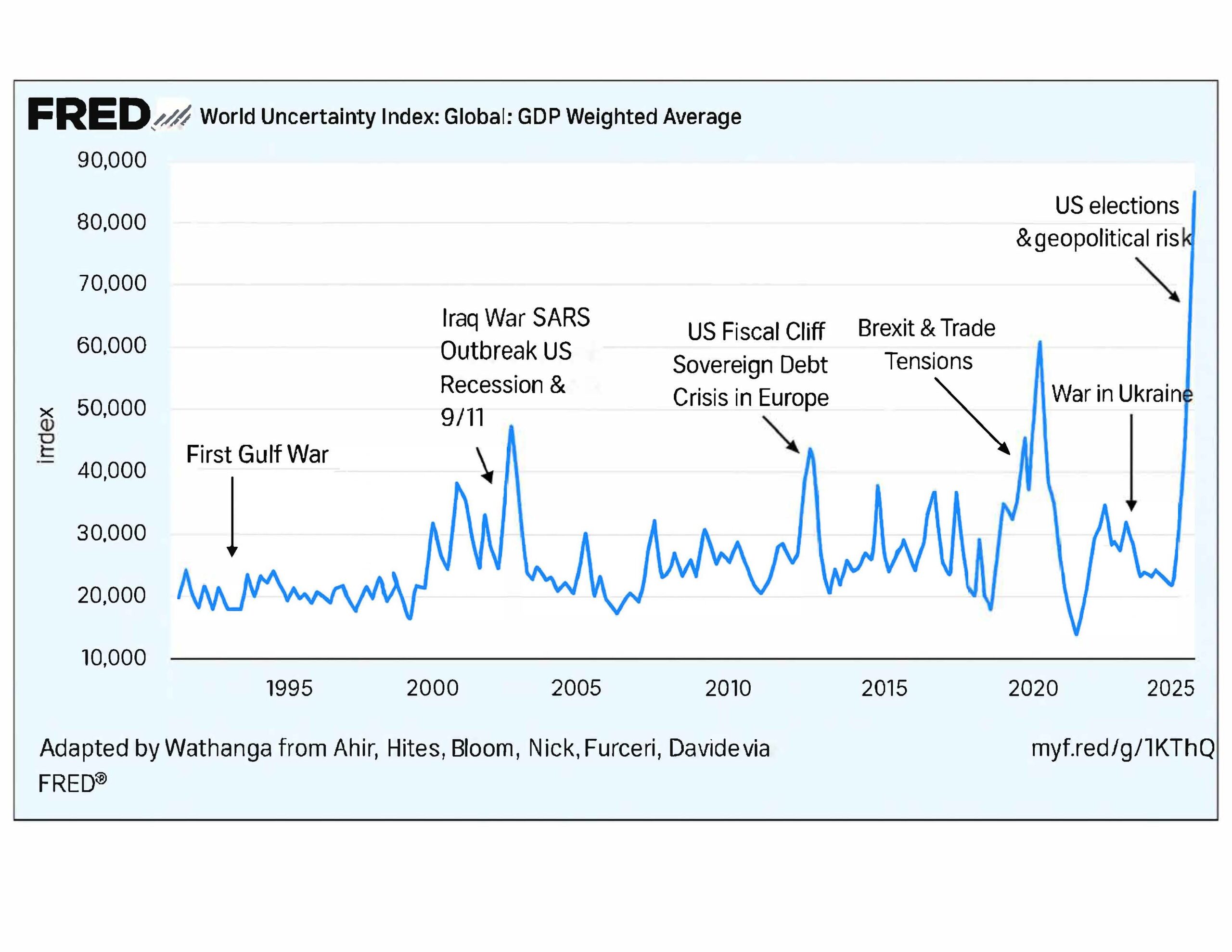
Lessons from the World Uncertainty Index: Thriving in the Age of the Unknown
In early 2025, the World Uncertainty Index (WUI)—developed by economists at Stanford University and the International Monetary Fund—confirmed what many of us already sensed: global uncertainty is not only rising but becoming a persistent feature of our world. Political instability, pandemics, economic upheavals, and now development funding cuts—such as those recently experienced by USAID Implementing Partners in Kenya—are just some of the drivers of this volatility.
When the State Kills, Who Will Speak?
In July 2025, Boniface Kariuki was shot dead—another young Kenyan felled by police bullets. His name now joins a tragic lineage that includes Baby Pendo, killed during post-election violence in Kisumu in 2017.