✨ Here’s How USAID Left Its Mark – Final Post of the 5-Week Journey ✨
Five weeks of reflection have shown that USAID’s impact was never just about aid — it was about agency. We learned that development is most powerful when it is locally led, data-driven, and anchored in trust. We saw how USAID’s approaches inspired a generation of leaders, institutions, and ideas across Africa and beyond.
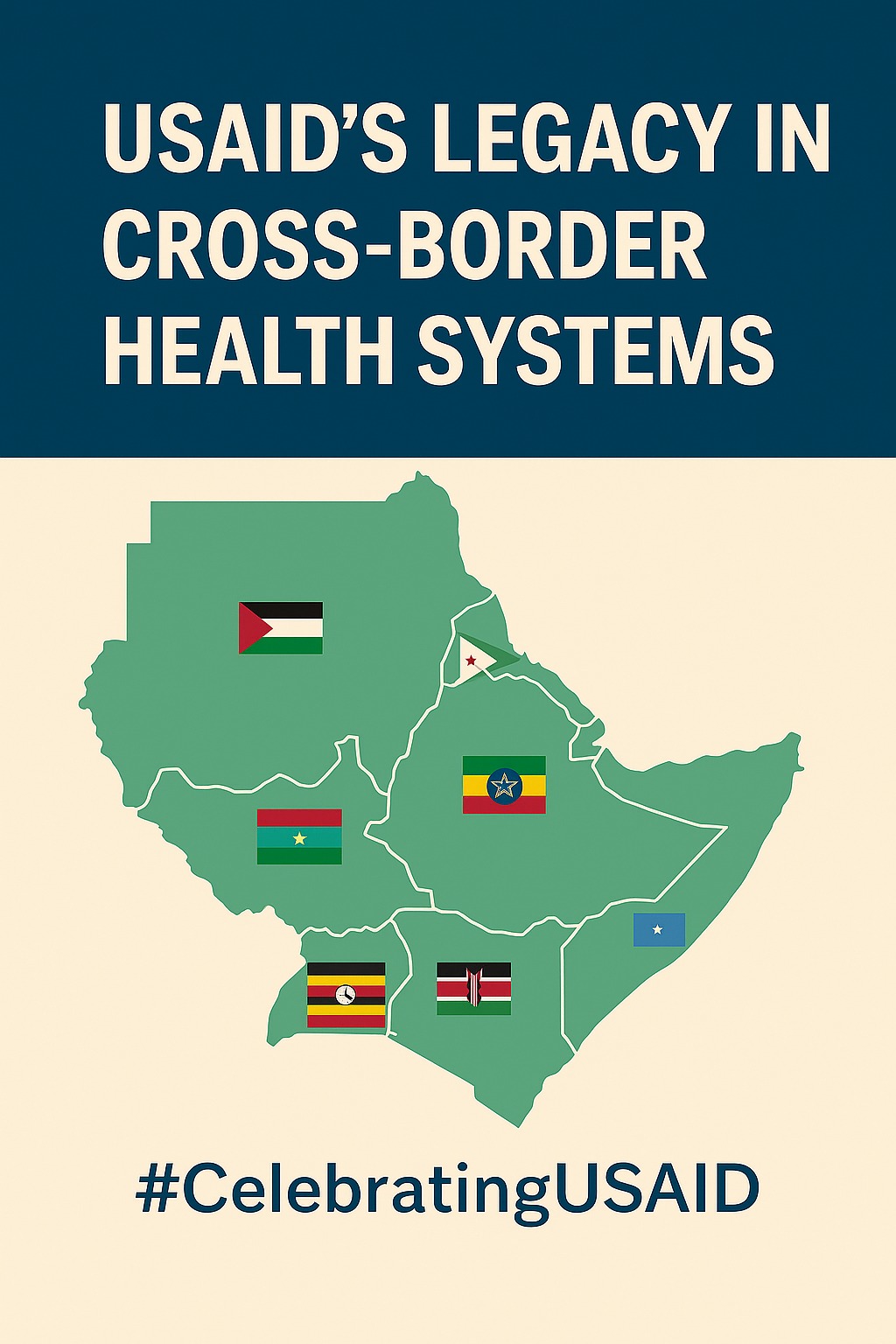
🌍 Building Resilient Market Systems in the Cross-border Drylands of the IGAD Region
The IGAD Drought Disaster Resilience and Sustainability Initiative (IDDRSI), supported by USAID, was born from the 2011 Nairobi Summit’s bold declaration: to end drought emergencies once and for all. Its purpose — to transform the region’s response from crisis-driven relief to proactive, market-based resilience that strengthens both communities and systems.
🌐 CAADP’s Backbone: USAID/Policy LINK
Behind many visible milestones of the Comprehensive Africa Agriculture Development Programme (CAADP) is an often-hidden engine: backbone support. Through USAID/Policy LINK, the African Union’s Department of Agriculture (AUC-DREA) gained a neutral convener, coordinator, and integrator—keeping partners aligned, platforms purposeful, and evidence moving from Biennial Review (BR) dashboards to real decisions in National Agriculture Investment Plans (NAIPs) and across Regional Economic Communities (RECs).
🌍 Ethiopia’s Lowlands: From Fragmented Efforts to a Shared Resilience Agenda
The drylands of Ethiopia—spanning Afar, Somali, Oromia, and South Omo—cover more than half the nation’s land and sustain a quarter of its livestock economy. Yet these vast lowlands remain some of the most climate-vulnerable regions on the continent. To change that, USAID’s Partnership for Lowlands Resilience Activity (PLRA) supported the Ministry of Irrigation and Lowlands (MILLs) and regional governments to move from isolated projects to collective resilience systems — where coordination, collaboration, and communication (the “3Cs”) are the norm, not the exception.
🪐Building Resilience in Somalia: USAID’s Quiet Transformation
Through USAID/Somalia’s Economic Growth Office (EGO) and its flagship programs - AGES, BAB, BRCiS, Durable Solutions, IRiS, Nabadoon, RECOVER, STEP, and TIS3 - a quiet transformation is taking shape. What began as a humanitarian response is now evolving into a resilience economy, linking rural producers, urban markets, and displaced communities into shared opportunity networks.
🌐 CAADP’s Backbone: USAID/Policy LINK
Behind many visible milestones of the Comprehensive Africa Agriculture Development Programme (CAADP) is an often-hidden engine: backbone support. Through USAID/Policy LINK, the African Union’s Department of Agriculture (AUC-DREA) gained a neutral convener, coordinator, and integrator—keeping partners aligned, platforms purposeful, and evidence moving from Biennial Review (BR) dashboards to real decisions in National Agriculture Investment Plans (NAIPs) and across Regional Economic Communities (RECs).
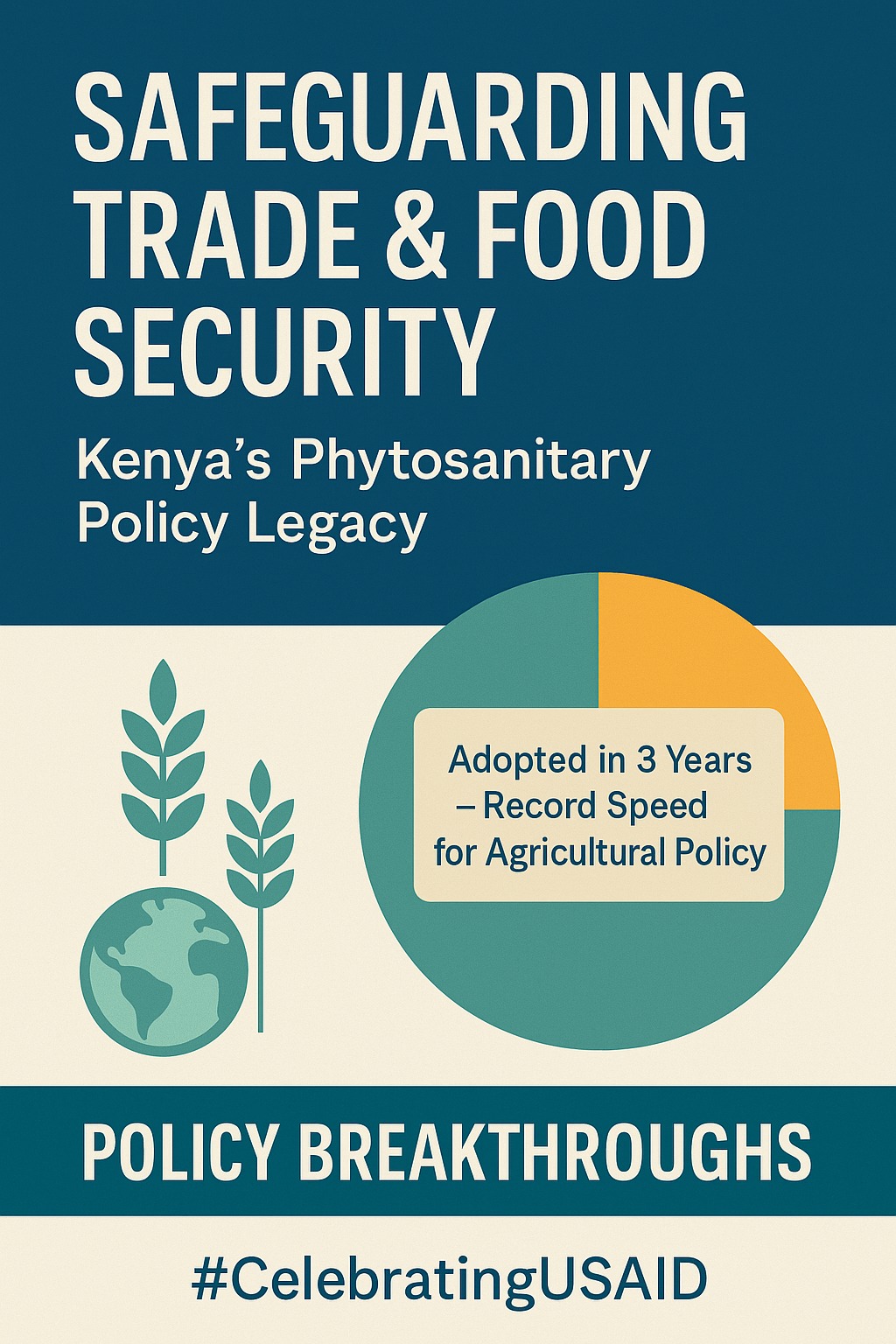
🌍 Safeguarding Trade & Food Security: Kenya’s Phytosanitary Policy Legacy
One of the lesser-known but truly transformative milestones in Kenya’s agricultural governance was the development of the National Phytosanitary Policy — a process championed by the Ministry of Agriculture and Livestock Development, State Department for Agriculture, through the Kenya Plant Health Inspectorate Service - KEPHIS, with technical and financial support from the USAID Kenya Crops and Dairy Market Systems (KCDMS) Activity/RTI International.
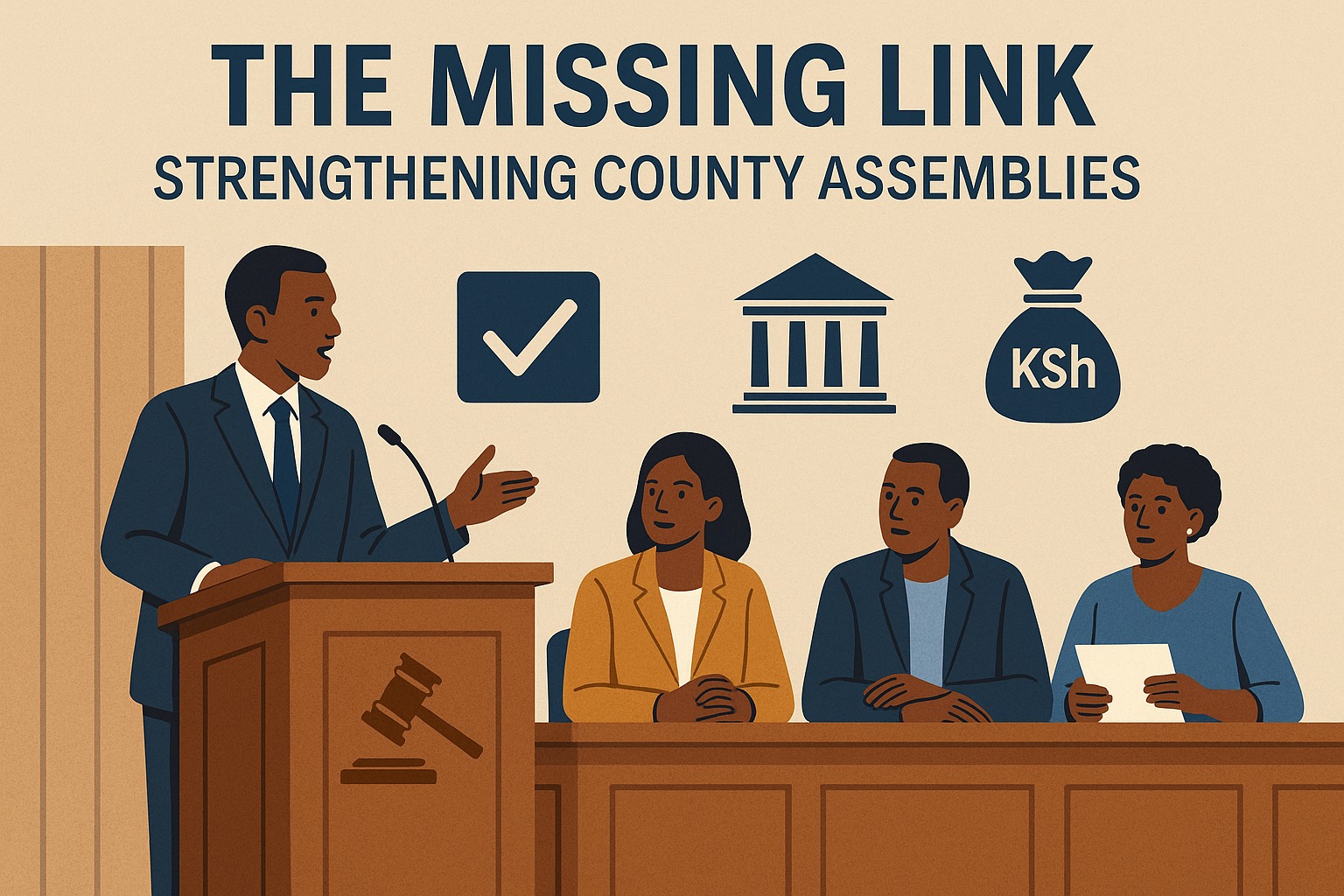
🌐 The Missing Link: Why MCAs Need Structured Training for Devolution
Amid the wave of capacity building that followed devolution at its onset in 2013, one crucial group was largely overlooked: Members of County Assemblies (MCAs). Despite their central role in legislation, oversight, and representation, MCAs had no structured institution or program dedicated to their professional development. At best, they received ad hoc sensitization on specific bills or budgets. The irony is striking—devolution empowered MCAs to shape county policy and budgets, yet the system provided them little formal preparation for this responsibility.
🌍 Building the Foundations of Devolution: USAID’s Early Role in Kenya’s Counties
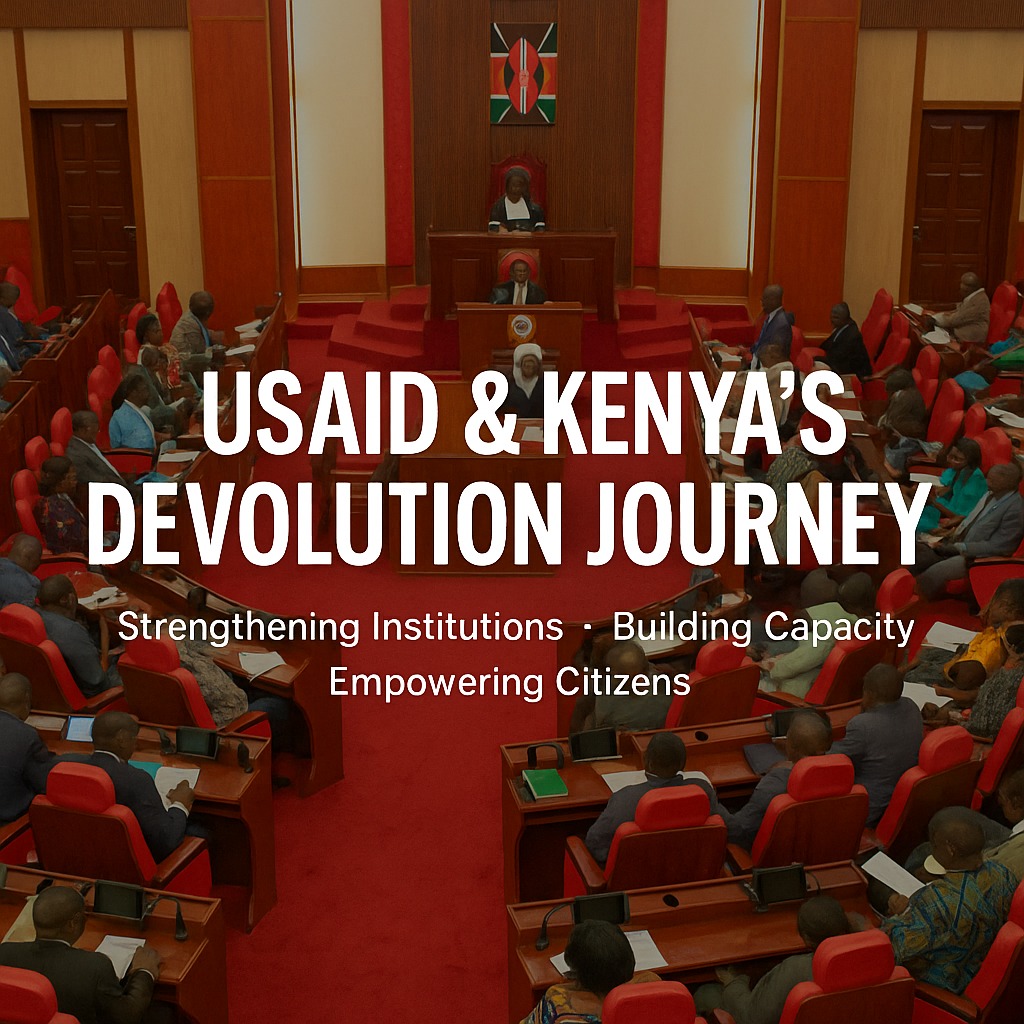
When Kenya ushered in devolution in 2013, it was not just a political milestone but a massive institutional transition. Forty-seven newly created county governments suddenly became responsible for critical functions in health, agriculture, water, and local development. The challenge was formidable: counties needed structures, policies, laws, and trained personnel almost overnight.
🌐 When Many Act as One: USAID’s Collective Impact Approach
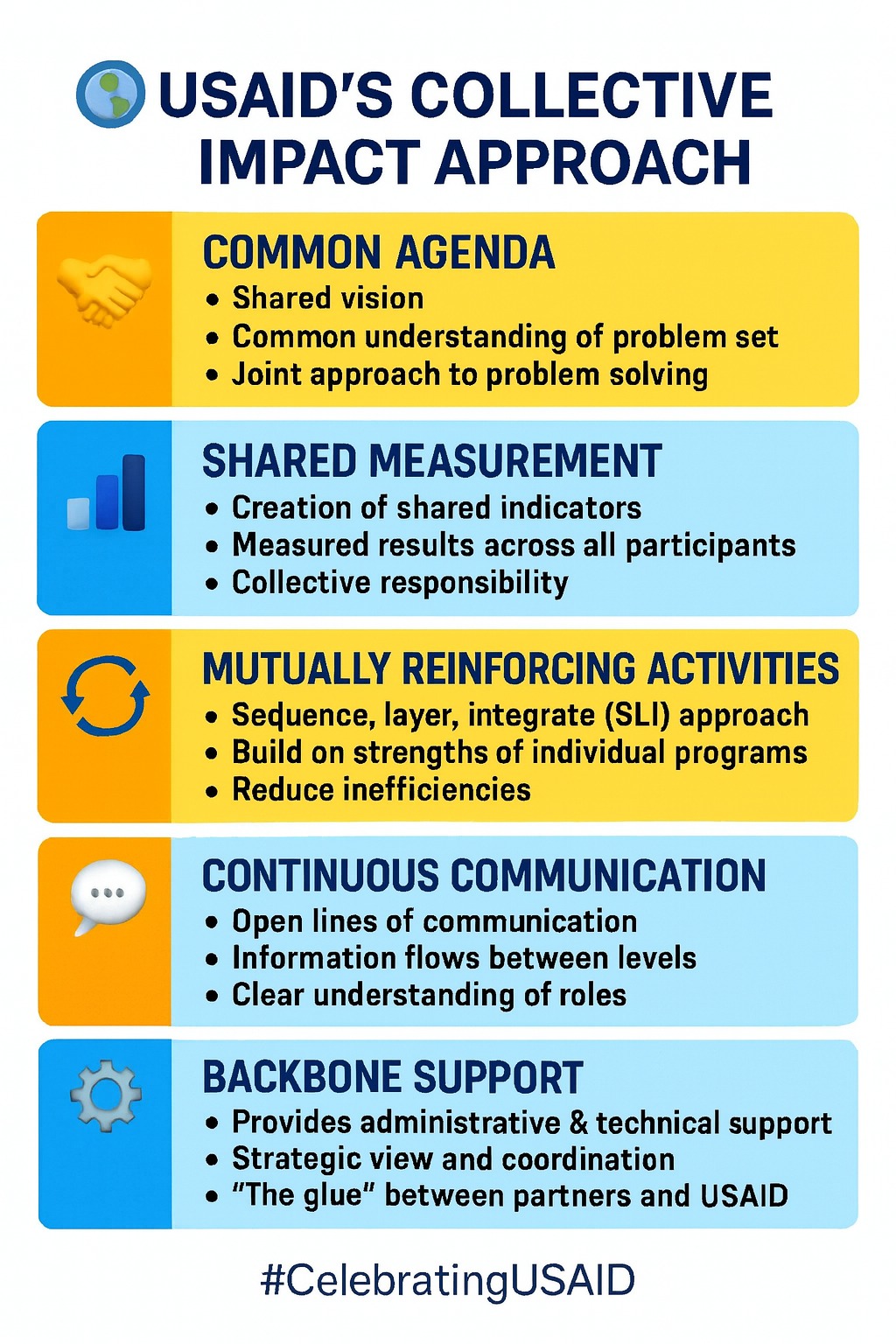
At its heart, Collective Impact recognizes that no single actor—government, NGO, or donor—can solve complex challenges alone. Progress requires multiple players working toward a common agenda, using shared measurements, engaging in mutually reinforcing activities, maintaining continuous communication, and supported by a dedicated backbone function. These five elements shaped partnerships that delivered results greater than the sum of their parts.